Debate first came into my life through my mother’s encouragement. In Vietnam, debate had become a trend, a way for students to sharpen critical thinking and earn recognition. I studied and performed well, but I never truly connected with the idea of competing to “win” over others. To me, expressing opinions should not be about proving superiority; life rarely works that way. After many honest conversations with my parents, I continued learning debate for its benefits but chose not to pursue competitions.
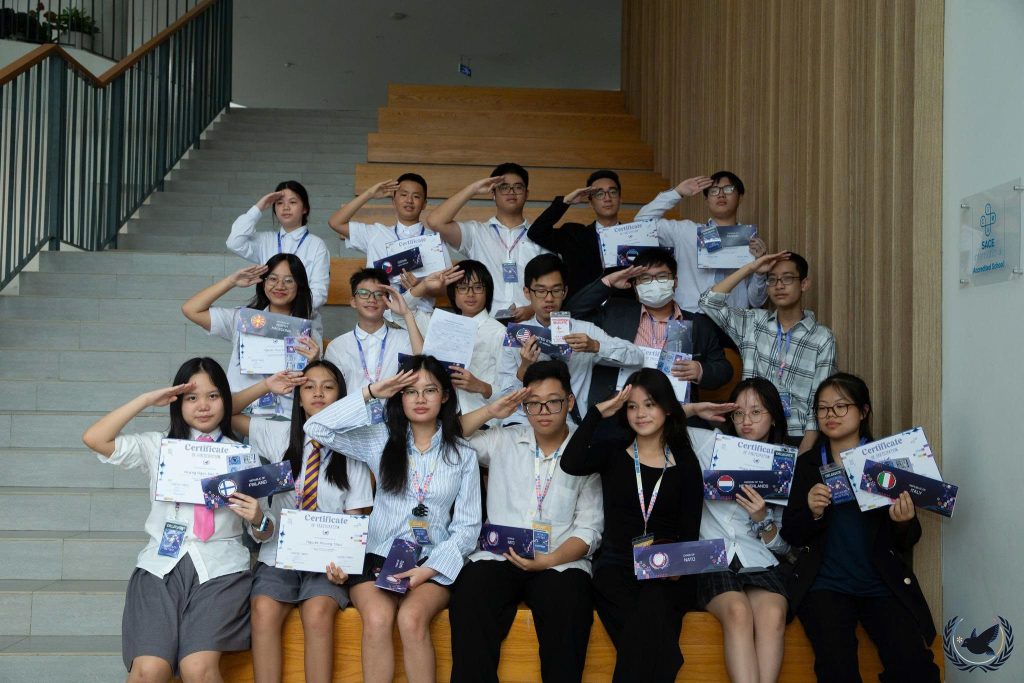
The turning point came when I joined a winter camp and participated in Model United Nations (MUN). Unlike debate, MUN allowed me to think creatively, beyond teacher-prepared arguments, and to address real-world issues. Here, I felt free to use my knowledge to propose solutions that mattered. Winning was not the aim, yet I was honored with the title of Outstanding Delegate.
One moment stood out: representing a small nation with little economic or military power. I proposed cultural diplomacy, using cuisine as a tool to strengthen ties with powerful neighbors while boosting the nation’s prosperity. This idea, grounded in both practicality and vision, showed me that through dialogue and creativity, even the smallest voices can inspire change.